


Last week, Eashwar called me and said he wanted to meet me urgently on a critical issue. He said on phone. “Everything we had planned as part of an Agile Transformation is crumbling fast and our customer is not accepting frequent releases. What should I do now?” I asked him to calm down. We set up a meeting.
We are working on an Agile Transformation initiative within Eashwar’s organization. He is a Program Manager and is responsible for several Customer programs. The two organizations embarked on their Agile journey around the same time. Each organization is implementing similar practices though not exactly the same and also was progressing at different pace. This being a typical B2B scenario, Product Development is in Eashwar’s organization’s responsibility and the Customer Organization is the recipient of the products.
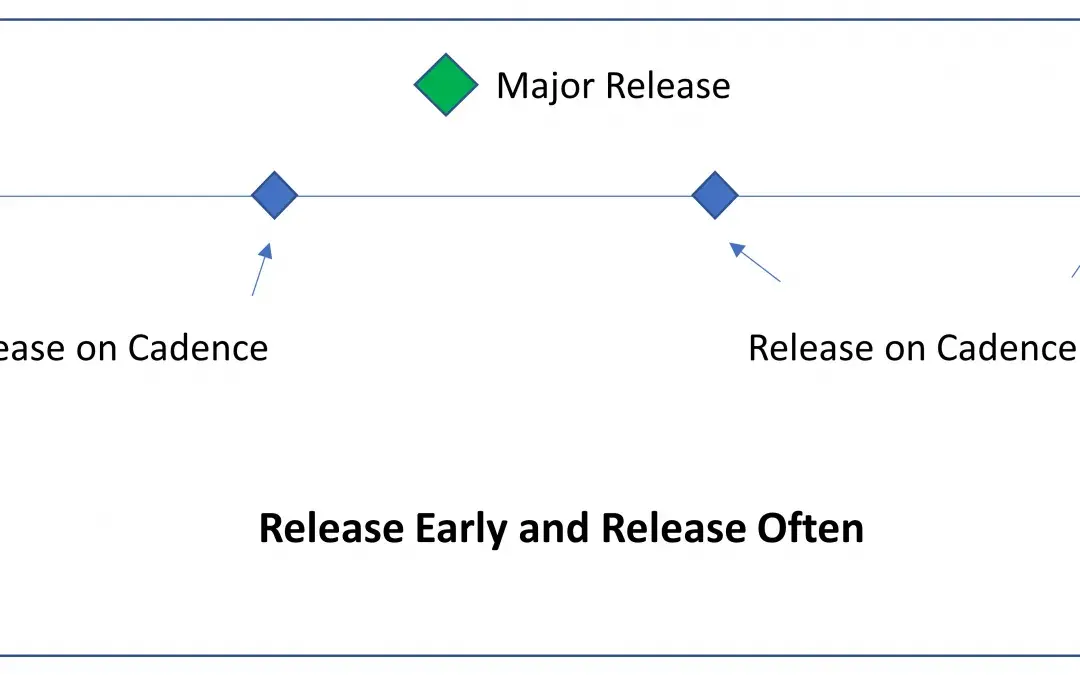
I met with Eashwar the next day and he explained the elaborate process they follow in delivering products. As part of the Agile Transformation, they had agreed on release on cadence – at end of every sprint. What did not surface during these agreements was the commercial implications and the amount of work to be done on the customer side to accept these releases. Every sprint release had a price-tag from the supplier and a great amount of legalese to accept the release on the customer side.
This led to Eashwar’s frustrations not able to live with the principle release early and often !
How would you help Eashwar in this situation?
In a B2C product context, it is quite easy to imagine frequent release of new versions and features of a product because there will always be a set of customers willing to try new features. As long as the product works without affecting much for the remaining customers, they hardly notice the new features.
In a B2B scenario like Eashwar’s organization, there can be complexities in the acceptance process from a customer organization due to their operating context. This actually might directly affect the appetite to absorb frequent releases. One way to handle this is to make a clear distinction between legally bound major releases and the cadence based releases. These can be ‘lite’ and not necessarily elaborate as major releases. The objective is to ensure that both organizations are aligned on the progress made on the product and surface any disagreements early on. Secondly, POs from both organizations should find an effective way to verify these releases without need for huge investment in time and infrastructure.
What do you think? please let us know.